
Why Seeing Results Matters — And Why It Is a Well-Considered Choice
That is exactly what this page sets out to provide. Not marketing. Not exaggeration. Just real before-and-after transformations that show what happens when someone walks into a professional cosmetic whitening practice and walks out again. Some of these changes are subtle. Others are dramatic. All of them are real.
Here is one thing you should know before you continue reading. The results of teeth whitening are never replicated identically from one person to another. Your starting shade matters. The kind of staining you have — from smoking and drinking coffee to taking specific medications — each alters the way your teeth react to whitening. So the results on this page will tell you what is more than probably possible, but your experience may be just a little different. If you want to discuss your own starting point, visit the contact page. This is not a disclaimer to temper expectations. It is just honesty. And on a page like this, honesty is the entire goal.
The vast majority of those who undergo professional whitening see a noticeable improvement in the whiteness of their smile. How significant that change is depends on a handful of factors we will discuss presently, but nearly everyone leaves reasonably happy with what they see. Some are genuinely surprised, in a good way. Some describe it as a threshold shift — the kind of thing that makes you smile a little bigger and hold your gaze just a little bit longer when you catch your reflection.
So take your time. Look through the results. Read the explanations that accompany them. And by the time you finish this page, you will have a concrete understanding of what teeth whitening can — and more importantly cannot — do.
Understanding the VITA Shade Guide — How Results Are Measured
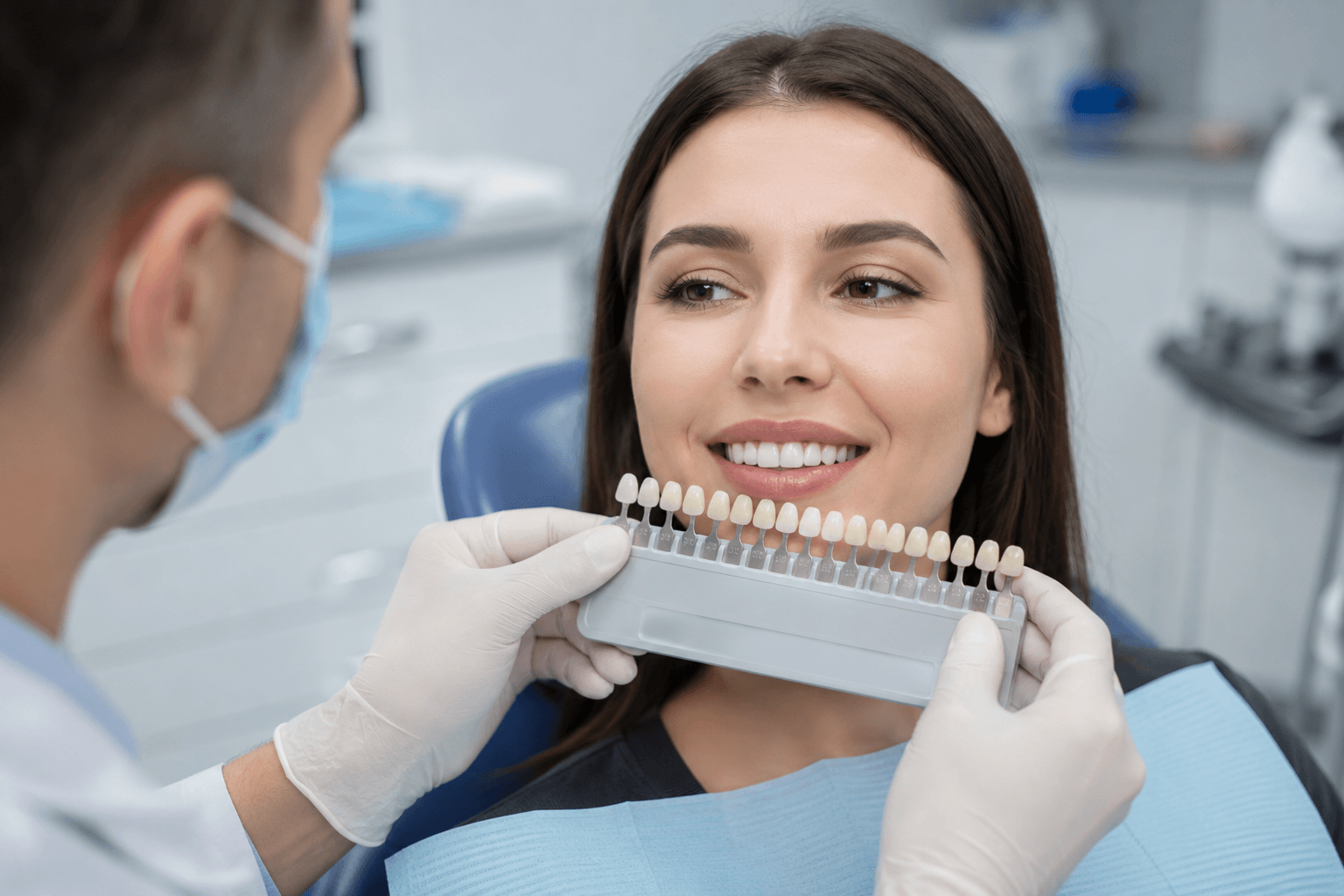
A tool that dental professionals use is called the VITA shade guide. It is essentially a colour reference system for teeth. This guide ranks natural tooth colours, going from the darkest shades (something like a C4, which is a pale greyish-brown) all the way to the lightest (usually B1 and beyond into brighter white tones). The very first thing that happens when you arrive for whitening is a shade assessment. The practitioner places the guide right beside your teeth and then records the colour where you currently sit. If you are unsure whether whitening is suitable for you, learn more at https://chelmsford.lateethwhitening.co.uk/am-i-suitable/. Then, depending on the technique being employed and your dental health status, they will give you a realistic estimate of how many tones lighter you can expect to achieve.
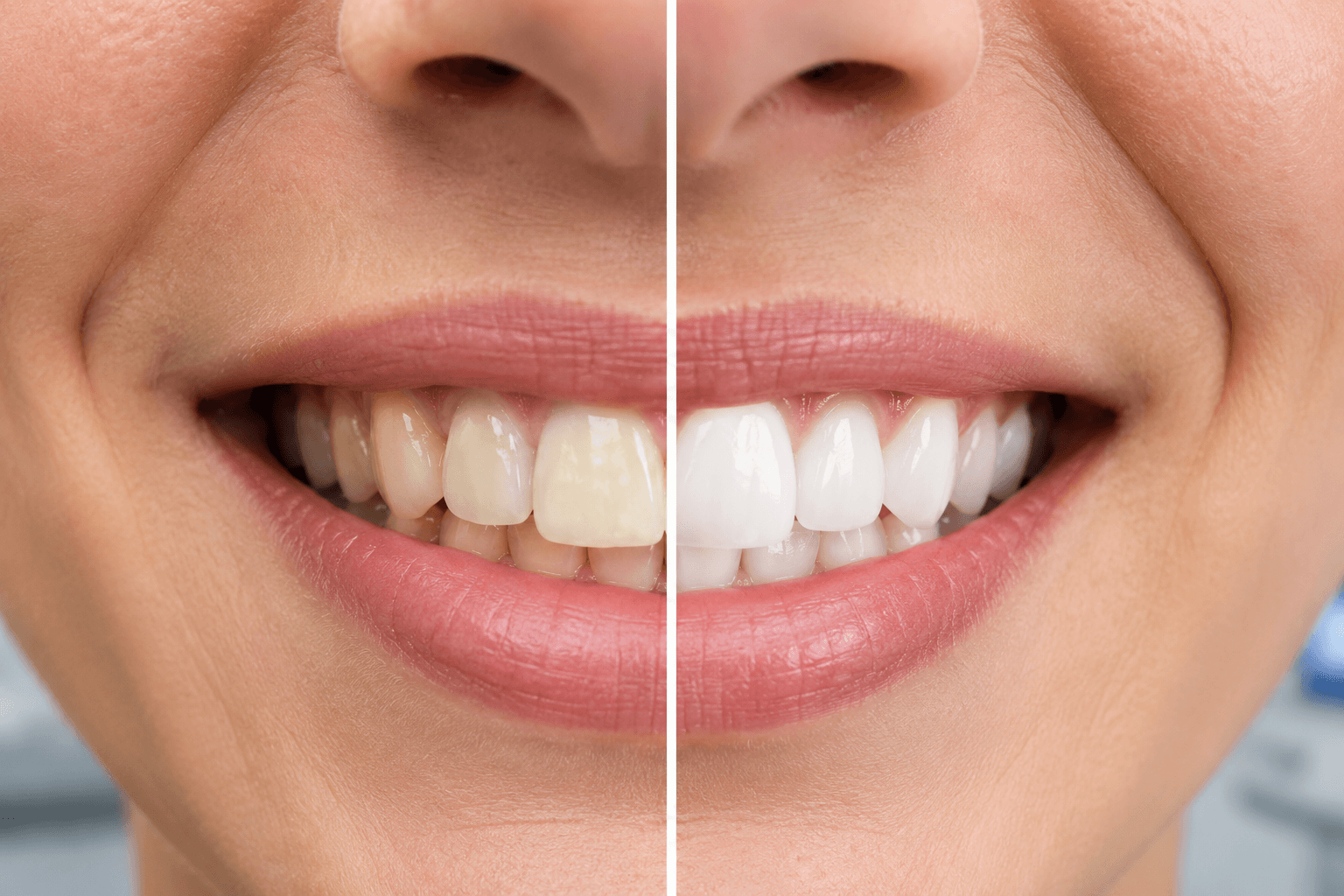
On average, each professional session moves clients between four and twelve shades lighter. Take a moment to let that sink in. Four to twelve shades. If you are sitting at B3, which is quite standard — a yellowish tone that commonly develops if you drink tea or coffee regularly — moving to an A1 or A2 means going from a dull yellow to a clean, fresh white. That sort of difference is the kind that jumps straight out at you, and it happens in a single appointment.
And this is what surprises most people having it done for the first time: the result looks natural and real. There is a common myth that whitened teeth end up looking almost fluorescently white, as if someone had a set of porcelain veneers placed overnight. That is not what happens with professional whitening. What actually takes place is that the tooth surface is cleaned back towards its natural colour. The layers of staining that have accumulated over months or years are lifted away, and the natural brightness of your enamel is allowed to come forward. The result is your own smile, looking more youthful and less worn — not someone else's teeth in your mouth.
Think of it like a white shirt that has gone sort of grey in the wash. You do not throw it away. You treat it properly, and the original white comes back. The same principle applies to teeth whitening. The whiteness was always there. It simply needed revealing.
The most pronounced results tend to appear on teeth bearing particularly strong surface staining. If you drink coffee, tea, red wine or smoke, then these are the people who tend to experience the biggest before-and-after differences. They are further away from their natural colour to begin with, so the return is more obvious. Someone whose teeth are not heavily stained will still notice an effect, although the difference will be less dramatic in comparison.
Whichever starting point you bring, the outcome will be a noticeably whiter, healthier-looking smile that still very much looks like your own.
Real Results by Stain Type — Different Starting Points, Remarkable Outcomes
One of the most frequently asked questions is whether teeth whitening will work for a particular case. The answer is almost always yes, however the degree of change will depend on the type of staining — whether extrinsic or intrinsic — and how dark or stained your teeth are when starting out. Here are some real-world examples covering the most frequently encountered starting points. Each story reveals a different experience and, collectively, they show how versatile professional teeth whitening truly is.
Coffee and Tea Stains
This is probably the most common case that exists out there. A regular coffee drinker for the last ten or fifteen years, consuming two or three cups every morning. The staining comes on so gradually that most people do not realise the extent of it until they come across an old photograph and see just how white their teeth previously looked. Discolouration from coffee and tea is generally of a yellowish or pale brown tone, usually found mostly on the surfaces of the teeth towards the front. This type of staining responds very well to professional whitening. A single session typically returns the teeth to a colour that is close to — if not brighter than — their appearance prior to staining. It is a neat and natural transformation, and it often produces one of the most rewarding results because the person can instantly see the change by recalling what their smile used to look like.
Smoking Stains
Smoking stains are a whole different matter. Nicotine and tar deposits result in deep pigmentation, most often seen as dark yellow, brown or even greyish patches, usually located between the teeth and along the gum line. Long-term smokers are often self-conscious about their teeth and may assume that tooth whitening will hardly help. That assumption is almost always incorrect. Smoking stains respond well to professional whitening and the results are often some of the most impressive on this entire page. Someone who has smoked heavily and has never had a single cosmetic dental treatment can leave one appointment with teeth multiple shades lighter and looking considerably more pristine. Will they be perfect? That depends on how serious the staining is and how long it has been building. But the improvement is real, clear, and in many instances it can feel truly life-changing in terms of renewed confidence.
Age-Related Yellowing
Enamel gradually thins out as we age. Below that enamel lies a layer of dentine, which is much more yellow in nature. Even if you have lived your entire life without smoking or touching a cup of coffee, your teeth will progressively take on a more yellow appearance as the decades go on. It is one of those quiet, universal things that nobody tells you about. People over forty, fifty and beyond often find that the smile which always had a nice gleam to it does not quite appear as fresh as it once did. Teeth whitening addresses this beautifully. Since the yellowing is primarily a superficial and near-surface concern, professional whitening can bring back a brighter and more youthful look without having to perform any invasive work. What you are left with falls towards the warm, natural white end of the spectrum instead of an overly bright Hollywood-style brightness — which is precisely what people in this age group tend to want. They do not want to appear as if they have undergone any kind of procedure. They simply want to look like a younger, more refreshed version of themselves.
Pre-Event Whitening — Weddings, Interviews, and Special Occasions
Then there are the people who come in for teeth whitening not because they have a specific problem, but because they have an event. A wedding. A milestone birthday. A job interview where first impressions count. Catching up with people they have not seen in years. These people usually have teeth that are in relatively good shape but could benefit from a bit of a lift. They may have light or medium stains, and they want something that gives them an edge — something to polish their image just enough that no one can quite put their finger on what has changed. This is where teeth whitening truly comes into its own as an easily accessible confidence enhancer. One session — generally an hour or so — and they leave feeling wonderful, just in time for the big day. It is the kind of turnaround where you see results almost immediately, and the emotional boost remains a topic of discussion for days afterwards.
Uneven Tooth Colour
Not everyone naturally has teeth that are evenly toned. Instead, the discolouration can be patchy — one tooth is darker than its neighbours, or the upper and lower arches are obviously different in shade. Reasons for this can vary: past dental work, medications given during childhood, a tooth that was knocked at some point and discoloured over time, or simply the way the enamel has developed. Professional whitening can help even out the overall tone and decrease the contrast you might see between darker and lighter areas. However, there are facts you should know upfront. Bleaching has no effect on the colour of crowns, veneers or fillings. Most of the time, unevenness involving a restoration will remain because the restoration holds its original colour. Whitening adjacent natural teeth may in fact further enhance the contrast with that restoration. A good practitioner will note this during your initial assessment and provide you with completely honest expectations. When applied to natural unevenness however, whitening usually brings the various tones closer together into a shade that is more harmonious and pleasing overall.
First-Time Whitening — Overcoming the Nerves
There is one type of result that does not come up in a photograph, and that is the emotional response from someone who was genuinely, honestly nervous before their first whitening appointment. Maybe they had been thinking about it for several months. Perhaps they were frightened of it being painful, or worried it would not work, or anxious about looking silly. And then they sat in the chair, went through the process, and looked at their teeth in the mirror afterwards. The expression they wear at that moment is one practitioners are deeply familiar with and never tire of seeing. Relief mixed with delight. A kind of disbelieving grin. Most of the time, the most memorable thing for first timers is simply how easy the whole experience was. No fuss, no awkwardness, no complicated aftercare. Just a noticeably whiter set of teeth that they then spend the remainder of the day checking out in every reflective surface they pass.
How Professional Teeth Whitening Works — And Why Results Are Immediate
If this is your first experience with professional teeth whitening, you may be picturing something far more intricate than it really needs to be. In fact, the actual process is incredibly straightforward, and that simplicity is part of why so many people regret not doing it sooner.
The Shade Assessment
It begins with a shade assessment. A practitioner will hold the VITA shade guide next to your teeth and determine what shade you are at that moment in time. This is your baseline. They will use the same guide again after treatment so you can see exactly how much lighter your teeth have become. This provides a very simple, visual comparison that leaves no room for ambiguity about the outcome.
Applying the Whitening Gel
Then, a whitening gel is applied to the surface of your teeth. This gel is professional strength, made specifically for in-clinic use, and significantly more effective than anything you could purchase off the shelf. The gel itself is gentle. It does not burn and it does not damage the enamel when used correctly by a trained practitioner.
Light Activation
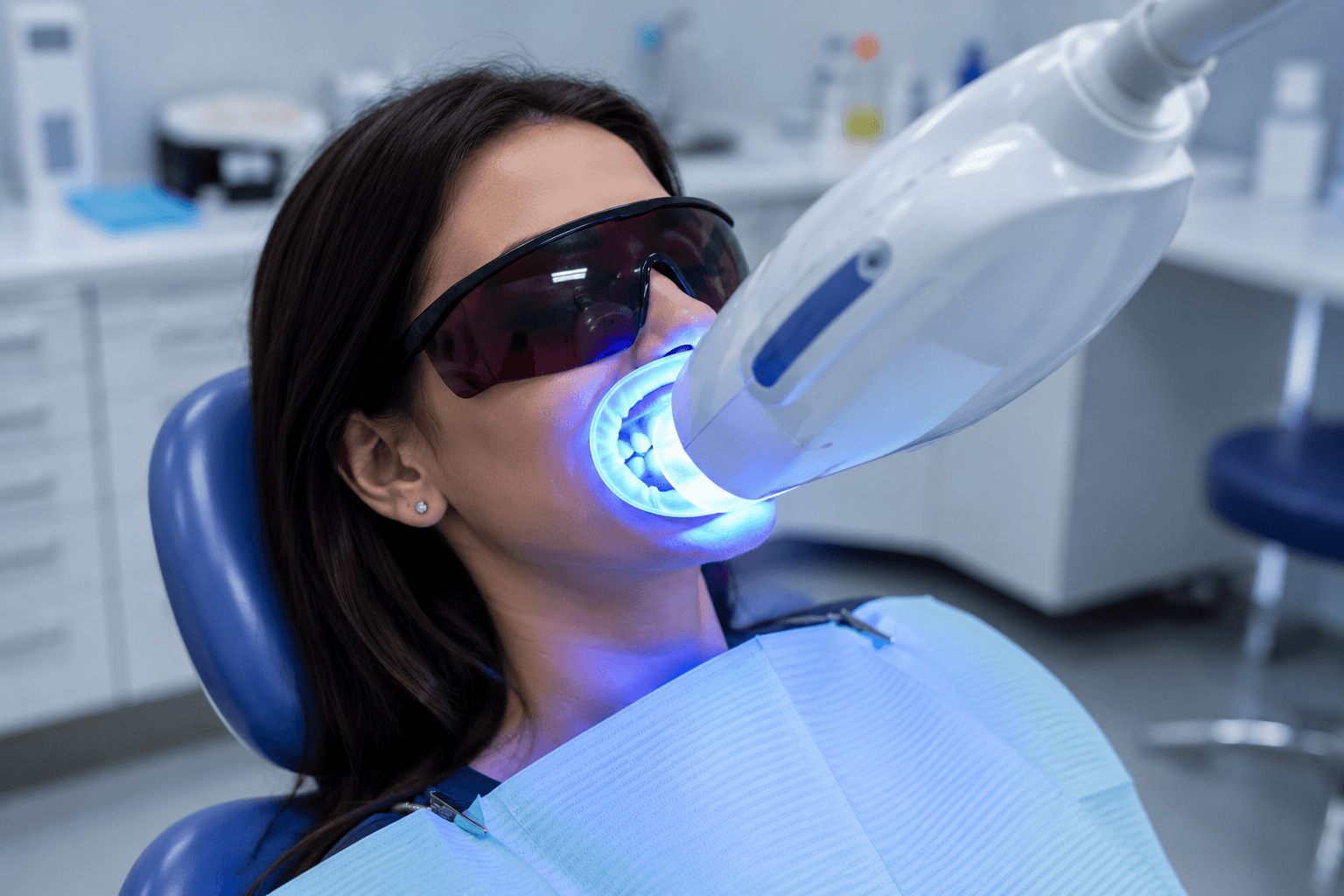
After applying the gel, an LED light or laser light is positioned over your teeth. This light activates the gel and speeds up the whitening process. You simply relax and let the light do its work. Some people listen to music, some browse their phone, and a few even fall asleep. The treatment takes approximately an hour from start to finish, during which you typically just get to recline comfortably in a chair.
The Reveal
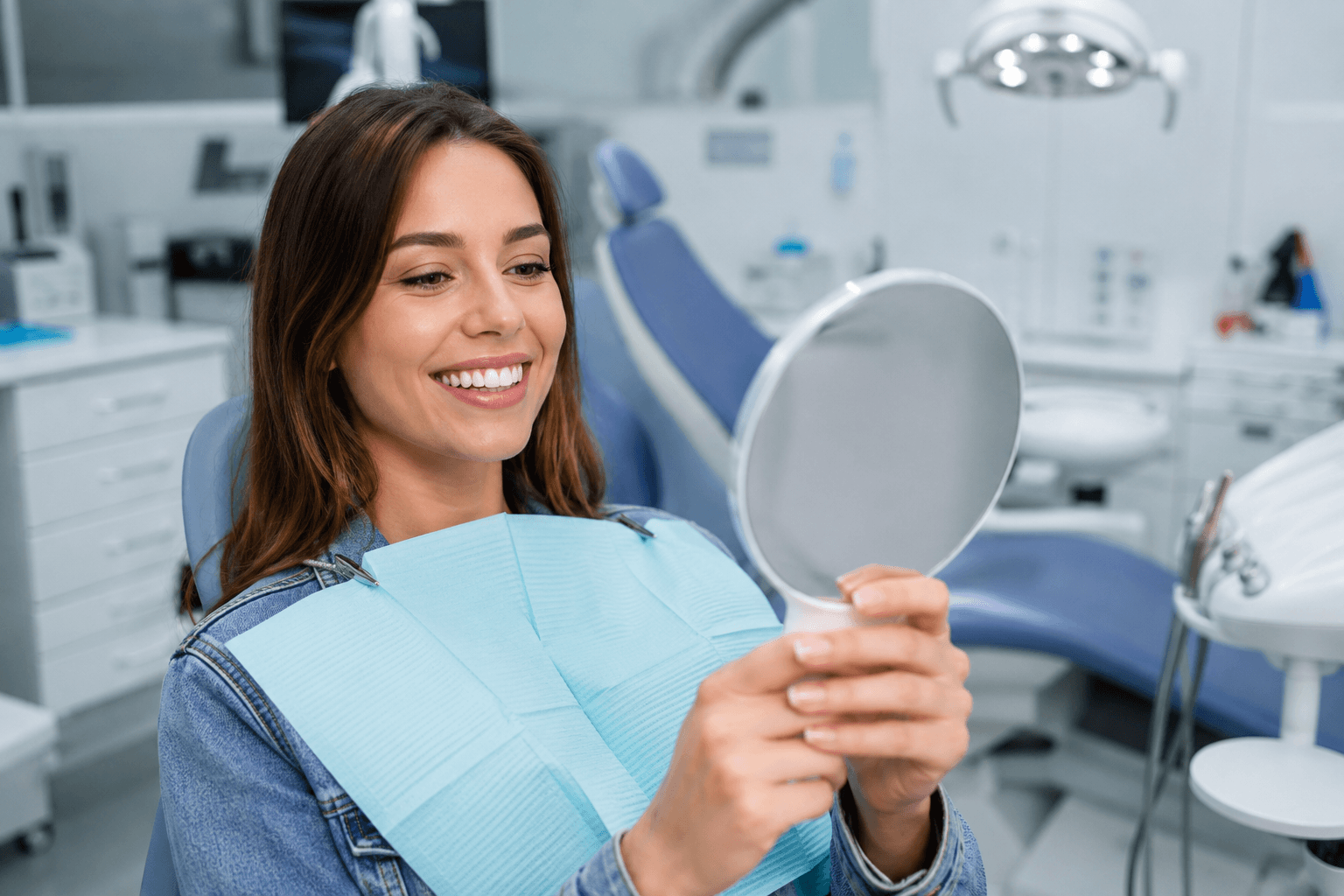
The gel is then removed at the end of the session and your teeth are rinsed. Then comes the iconic moment that everyone remembers — the mirror. For the first time you see your teeth after treatment, and someone stands there holding up the shade guide to compare. For most people, this is the moment where the experience suddenly makes complete sense. It is a striking, instantaneous change.
No Downtime Required
There is no drilling involved. No needles. No anaesthesia. No recovery period. You can eat, drink, speak and continue your daily activities just like normal. In fact, numerous people have their teeth whitened over a lunch break and go back to work afterwards with no one the wiser — until someone compliments how bright their smile looks.
The Settling Period
It is important to note that the complete result develops over a period of twenty-four to forty-eight hours. The colour you see in the mirror directly after treatment will settle into a shade that is typically just a touch different, normally a bit less harsh and much more natural looking. The best way to explain it is that the teeth are finding their new balance. The settled colour is generally the lasting one, and most people find this final shade even more pleasing than the immediate result.
A Note on Sensitivity
Regarding sensitivity, some individuals report minor sensitivity at the time of or shortly after treatment. This is more often than not a short-lived tingle rather than actual discomfort, and it typically subsides within hours. Most people, including those with naturally sensitive teeth, manage to have the procedure done without any complications. The gels used in professional settings are specially designed to reduce discomfort, and the practitioner can make adjustments throughout the session if necessary.
Common Concerns People Have — And What Happens When They Move Forward
The truth is that almost everybody who eventually has their teeth whitened hesitated at first. That is completely normal. Something happening near your teeth seems like a more serious matter than it actually turns out to be. Let us go through the most common concerns and address them directly.
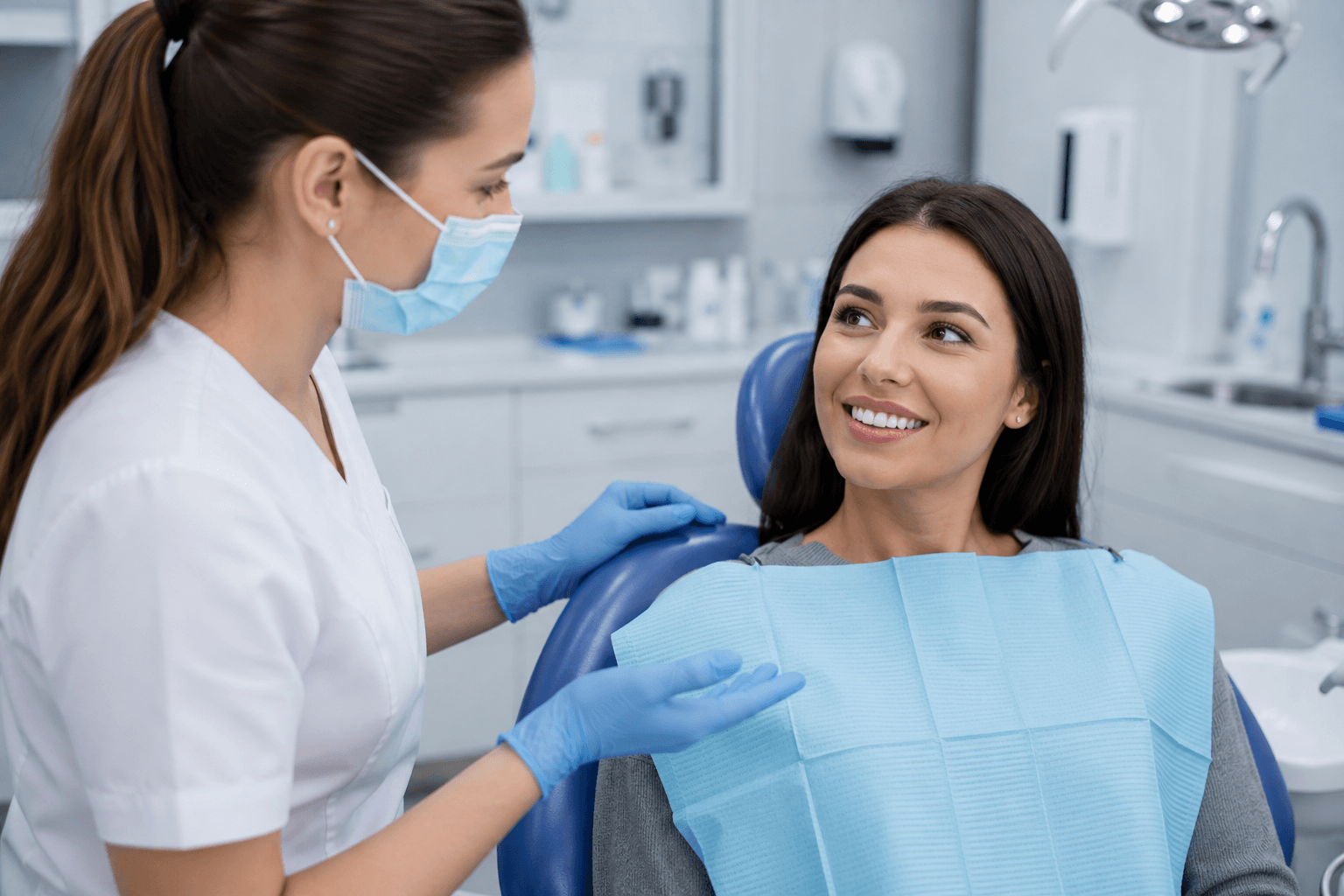
The number one worry people raise is about enamel destruction. They have heard somewhere along the way that having teeth whitened is damaging or strips away enamel. This is a misconception. When done properly by a trained professional, teeth whitening does not harm enamel. The gels work only on the staining molecules within the tooth and on its surface, not the structural enamel itself. The treatment is non-surgical and cosmetic in nature.
People who have lived with discoloured teeth for decades sometimes believe that their case is hopeless. That is simply not true in the vast majority of cases. Results do differ from person to person, but it is very rare for someone not to gain any improvement from a professional whitening session. Before the treatment, a shade assessment is performed so there are no unexpected surprises.
Nobody wants to walk around with teeth that glow in the dark. And nobody has to. Professional whitening provides a natural-looking result that is relative to your original colour. Your teeth are not being replaced with something artificial. You are simply revealing the brightness that was previously obscured by staining.
Sensitivity is a legitimate point and one that practitioners take seriously. Some people report a slight tingling during or after treatment. But the word "mild" is doing a lot of work there. It is not the kind of sensitivity that prevents you from eating dinner or makes it difficult to sleep at night. It is more like a faint sensation that disappears within hours. For patients who already have sensitive teeth, practitioners can take additional steps to ensure the experience is as comfortable as possible.
The answer to that one is difficult in the abstract, because "worth it" means different things to different people. But here is what practitioners hear time and again from those who have gone ahead. They say they regret not doing it ages ago. They say they had no idea how much their discoloured teeth were holding them back from living life to the fullest. They say they smile more freely. They no longer cover their mouth when they laugh. They feel lighter somehow — not in a dental science sense, but in the way it feels wonderful to genuinely like what you see in the mirror.
How Long Teeth Whitening Results Last — Factors That Matter
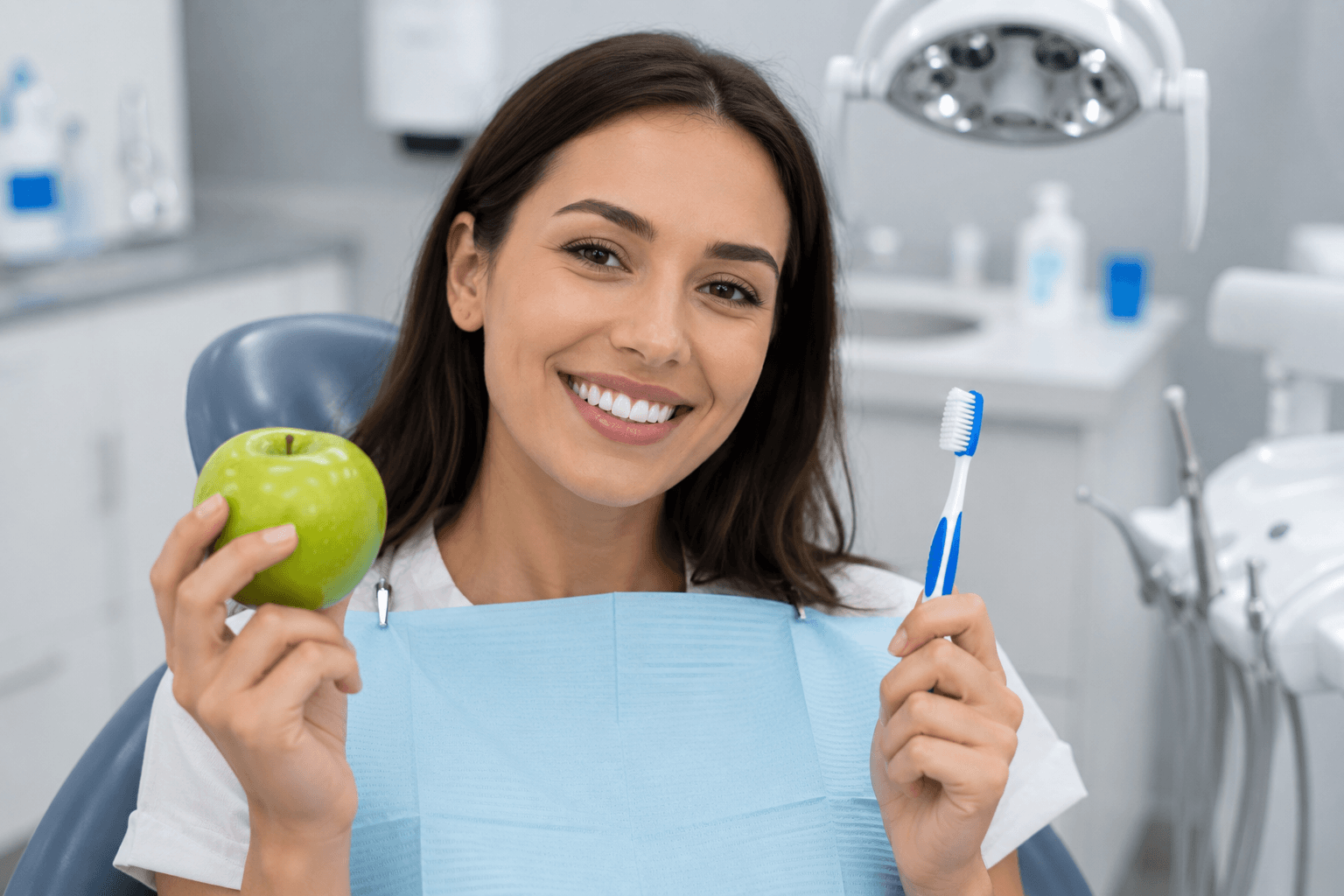
This is one of the most frequently asked questions, and the genuine answer is: it depends. Not on chance or guesswork, but on a few very specific and manageable factors.
In most cases, the results of a professional teeth whitening session last for several months to well over one year. Some people maintain brightness even longer, particularly those who follow sensible aftercare habits. But the most important variable is lifestyle. If you return to four cups of coffee a day and resume smoking, the staining returns more quickly than for someone who reduces their exposure. That is not a judgement. It is simply chemistry. Certain substances are known to stain teeth, and the greater the exposure your teeth have to those substances, the more quickly the whiteness begins to fade.
The Role of Diet
Diet plays a significant role. Coffee, tea, red wine, dark berries, curry powder, soy sauce, balsamic vinegar — these are all known to stain tooth surfaces. You do not need to eliminate them completely. But being mindful helps considerably. After eating or drinking deeply pigmented foods and drinks, rinsing your mouth with water is a minor habit that makes a meaningful difference over time. Some people also adjust the way they drink their morning coffee by using a straw. It may sound unusual, but it genuinely works by reducing direct contact with the front teeth.
The Role of Oral Hygiene
Another major component is oral hygiene. To make the results of your whitening treatment last, brushing your teeth twice a day, flossing regularly, and staying on track with professional dental cleanings all contribute. In addition, incorporating a whitening toothpaste into your regular routine can also help prolong the brightness. These habits do not cost much time or money. They are ordinary, everyday actions that add up meaningfully over time.
Maintenance Touch-Up Sessions
A lot of people decide to have a touch-up session after one or two years in order to keep their smile at its brightest. Since the teeth are already in a far better starting position, these follow-up sessions are usually quicker and less intensive than that first treatment. It is similar to maintaining a car — the biggest investment is made on the first visit, and from that point onwards it is simply about upkeep.
Although results are not permanent, the good news is that they last a long time and how long largely depends on you. As long as you are sensible about your habits and keep up with the occasional maintenance session, your smile can remain bright and fresh for years to come.
Setting Realistic Expectations — What Teeth Whitening Will and Will Not Accomplish
If this page is to be genuinely useful to you, it needs to address limitations with the same openness as everything else. Teeth whitening is powerful and one of the most sought-after cosmetic treatments available, proven by decades of professional use. But it is not a miracle cure and it is not a solution for everything.
Dental restorations: Whitening does not change the colour of dental restorations. Materials such as crowns, veneers, bonding material and fillings are not responsive to the whitening agent. A crown on a front tooth matched to the colour of surrounding teeth prior to bleaching will appear darker compared with nicely whitened teeth around it. A good practitioner will highlight this during your assessment and plan accordingly.
Structural issues: Whitening does not address chips, cracks, uneven edges or misalignments. Whitening is purely cosmetic as far as colour and brightness are concerned — not shape and structure.
Intrinsic stains: There are some types of stains which do not respond as well to whitening. Stains that begin inside the tooth — known as intrinsic stains — can be more difficult to treat. This includes discolouration caused by certain medications, especially tetracycline antibiotics taken during childhood, and fluorosis from excess fluoride exposure during tooth development. While professional whitening will still have an effect, it may be to a lesser extent than with surface staining.
Genetic variation: Genetics play a role as well. Not everyone responds to whitening equally. Two people with similar staining can be treated the same way and come out with different results. This is not a defect of the process. It is simply biology and the natural variation of individual teeth.
None of this should put you off. These limitations are clarified so that the whitening process is approached with realistic expectations and therefore good outcomes. Overpromising leads to disappointment. Honesty leads to trust. And a results page like this is built entirely around trust.
The Emotional Side of Teeth Whitening Results
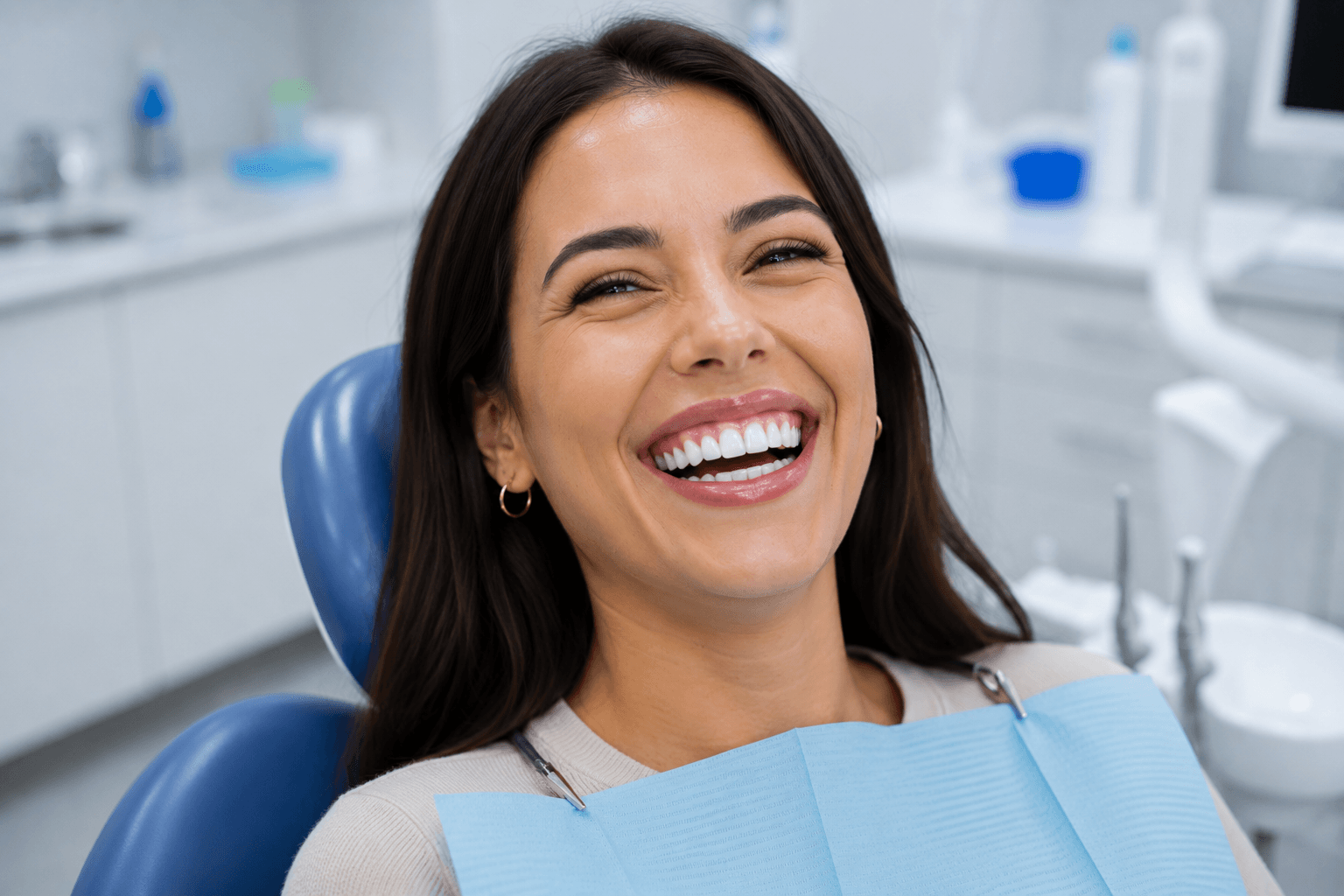
This may be the most important element of all, and it is something that before-and-after photographs simply cannot capture. It is the way someone feels once they see their results.
In reality, one of the first things a person notices about someone else is their teeth. We are wired that way. Teeth convey warmth, health, approachability and confidence. When your teeth are stained or discoloured, you notice it in ways that would be difficult to explain to someone who has never experienced it. You might find yourself trying not to smile in group pictures. Maybe you cover your mouth when you laugh. You might avoid looking people in the eyes when you talk to them because you are self-conscious about what they might see. These are small habits, but they accumulate. Gradually they chip away at your confidence in ways that you may not even be fully aware of.
When those stains vanish and a brighter smile greets you in the mirror, there is a change. It is not dramatic as a life-altering event. It is quieter than that. You forget about your teeth. You laugh without restraint. You smile at strangers without a second thought. There is a common way people describe it — for lack of a better word, they feel freer.
People share these stories with their practitioners all the time. The person who had not shown their teeth in photographs for years and then suddenly could not stop smiling at the camera. The person who had been delaying a professional headshot because they did not feel ready. The parent who wanted to look their best in family holiday pictures. The business professional who believed that their stained teeth were costing them opportunities in meetings. These are not stories about vanity. They are human stories about regaining a sense of ease with yourself. And that is a significant part of why teeth whitening continues to be one of the most popular aesthetic treatments available.
A whiter smile does not take away who you are. It transforms how comfortable you feel about showing the world who you are. And that is not nothing. That is actually quite a lot.
Common Questions About Teeth Whitening Results
The typical person notices four to twelve shades of improvement in a single visit, measured using the VITA shade guide. The precise outcome is determined by your beginning shade, the kind of staining present, and how your particular teeth respond to the whitening agent. Prior to the procedure, your practitioner will provide you with a realistic estimate of how many shades of improvement may be achievable.
Yes. Professional teeth whitening treatments work to enhance your existing enamel, not replace it with an artificial shade. What it provides is the appearance of your own teeth on a really good day, not something straight out of a toothpaste advertisement. Others will see that you have a lovely smile, but they will not be able to tell you have had any work done.
Typically, a professional whitening appointment lasts about one hour. This includes shade assessment, gel application, light activation, and the reveal at the end. It is one of the fastest cosmetic procedures available, and many people schedule it over a lunch break.
Most adults can safely undergo professional teeth whitening. However, it is generally not recommended for women who are pregnant or breastfeeding, people with certain active dental conditions, or young individuals whose teeth are still developing. A consultation with a practitioner beforehand is the safest approach if you want to confirm whether you are a suitable candidate.
After the treatment, it is advisable to avoid deeply coloured foods and drinks for the first twenty-four to forty-eight hours, since your teeth are more susceptible to staining during this period. After that window closes, you can return to your normal diet. Rinsing your mouth with water after consuming staining substances is a helpful ongoing habit to maintain.
Because everybody starts from a different shade and people have different types of staining, results will vary on an individual basis. The results shown in photographs on this page are real, but your own outcome will depend on your particular circumstances. The shade assessment performed before your session will help set a realistic expectation.
Professional in-clinic whitening uses stronger gels that are activated with specialised light to accelerate the process. Over-the-counter kits contain lower-strength formulas with diluted amounts of the active ingredient, meaning they take longer to produce results and those results are typically less noticeable. Professional treatments are also supervised, which means the process is tailored to your specific teeth and monitored for comfort throughout.
No special preparation is required. For best results, you should brush your teeth before arriving, and ideally have had a dental cleaning within the last six months. It is also recommended to avoid using at-home whitening products in the few days leading up to your session so you are building from a clean starting point and the professional treatment can work as effectively as possible.
You will see an immediate difference after the session. However, the final results continue to develop over a twenty-four to forty-eight hour window as the whitening agent completes its work and the teeth rehydrate. The colour you observe after forty-eight hours is your true, settled outcome.
If you have restorations, you may still be able to whiten your natural teeth, but the whitening will only work on them. Crowns, veneers, bonding and fillings will retain their original colour. If you have visible restorations in prominent positions, it is advisable to discuss this with your practitioner so you understand how the final result will look next to those restorations.
Your Brightest Smile Begins When You See What Is Possible
If you have made it to this point, you now know a great deal about what teeth whitening results really look like, how the process works, how long results last, and what to expect along the way. This is far more than what most people know before going into their first session.
The results discussed here come from real people who genuinely wanted a whiter, lighter, brighter smile — and made it happen. Some had years of accumulated coffee and smoking stains. Some wanted a subtle, unobtrusive update. All of them experienced a tangible benefit, and many said they wished they had done it earlier.
Whether you are ready to go ahead or are still considering your options, you are far better informed now than you were before reading this page. You know what is realistic. You know what is not. You know what questions to ask, and what to be cautious about. That kind of informed confidence is exactly what a proper results page should provide.
A whiter smile is available to almost anyone. It is accessible, can be completed in a single session, involves no downtime and no drama. And when you are ready, the opportunity will be right there waiting for you.